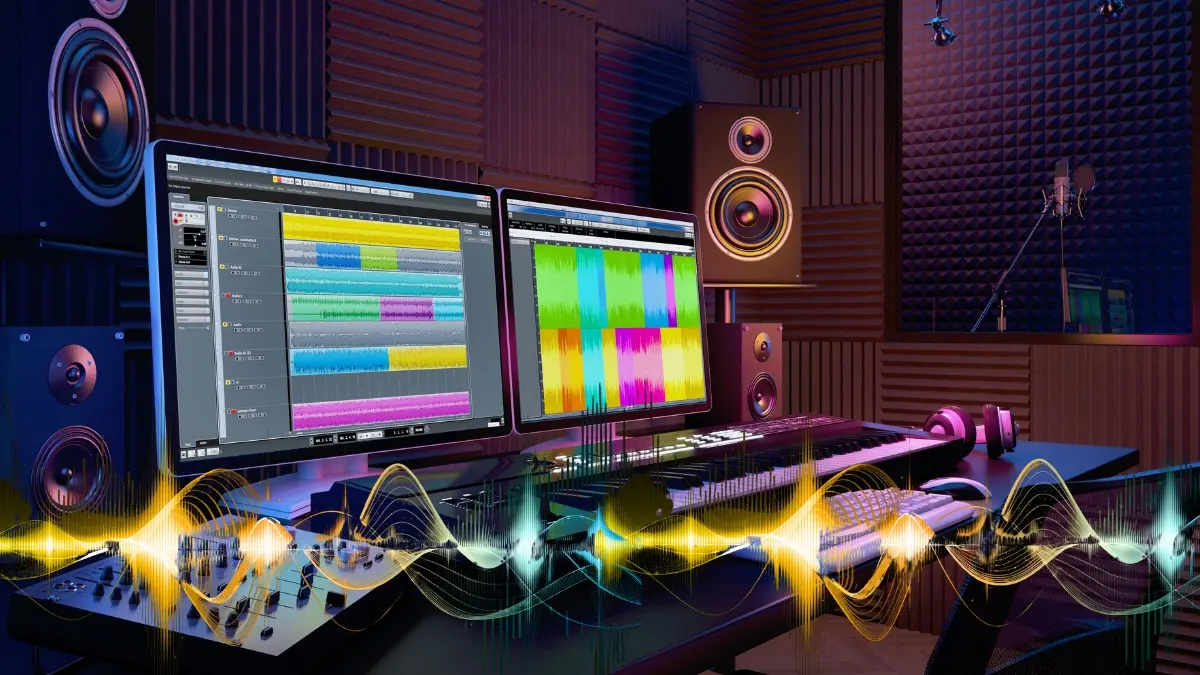
Production studios across the United Kingdom are preparing for new audio upgrades arriving throughout 2026.
These technological advancements require immediate infrastructure adjustments and staff training programmes. The changes matter because they fundamentally reshape creative workflows and establish new operational benchmarks for independent creators and commercial broadcasters alike.
Independent production houses in London and Manchester are implementing eight new audio upgrades this autumn to maintain competitive output standards within rapidly evolving digital entertainment sectors across Europe.
The report from bgr.com underlines why audio remains a live issue for UK organisations and public policy.
According to bgr.com, this development highlights practical implications for organisations tracking technology change in audio. Regional facilities must adapt technical systems immediately to meet rising commercial demands before fiscal quarters conclude.
Sector analysts note that early implementation strategies will significantly reduce post-production turnaround times for independent creators. The August publication establishes a clear procurement timeline for equipment upgrades and staff training programmes.
Enterprise teams face immediate operational adjustments to integrate next-generation sound processing capabilities into daily broadcast workflows. Delayed adoption risks reduced market share within increasingly standardised distribution channels operating across European territories consistently.
This strategic shift prioritises sustainable hardware integration alongside enhanced spatial audio formats for modern documentary productions. Independent stakeholders and corporate departments must align purchasing cycles with verified benchmarks before annual budget reviews conclude.
Spatial Audio Integration And Studio Infrastructure Requirements
Recording facilities must evaluate acoustic calibration protocols before installing upgraded processing units within existing control rooms. Technical directors should verify compatibility with legacy mixing consoles and digital signal routing systems precisely.
Live event producers require low-latency transmission pathways to maintain synchronised playback during large-scale theatrical performances. Venue managers must secure additional bandwidth allocations to prevent network congestion reliably during peak evening hours.
Broadcasting networks will implement adaptive compression algorithms to preserve dynamic range across continuous streaming services. Master engineers must recalibrate output levels to accommodate wider frequency response specifications and international distributors efficiently.
Educational institutions teaching sound design should update curriculum materials to reflect current professional standards. Students require hands-on experience with next-generation interfaces before entering employment markets across Europe and North America soon.
Acoustic treatment specialists will recommend updated panel configurations to optimise room modes for immersive formats. Facility auditors must measure reverberation times before approving major structural modifications locally to existing performance spaces.
Policy Frameworks And Procurement Strategies For Creative Enterprises
Government bodies must revise grant allocation criteria to prioritise digital audio modernisation projects annually. Funding committees should establish transparent evaluation metrics for hardware replacement requests submitted now by regional arts councils.
Independent studios face severe budget constraints when upgrading legacy equipment to meet new technical specifications. Cooperative purchasing agreements could reduce unit costs through bulk procurement arrangements negotiated collectively with neighbouring organisations regularly.
Copyright licensing agencies will monitor format changes affecting royalty distribution calculations across digital platforms. Legal teams must audit existing contracts to identify clauses requiring renegotiation promptly under updated technical standards.
Sustainability mandates will drive demand for energy-efficient amplifiers and advanced cooling systems within enclosed spaces. Facilities managers must calculate carbon footprints before approving major electrical infrastructure modifications locally and regionally fully.
Industry associations should publish certification guidelines validating equipment performance benchmarks against newly established thresholds. Members must submit test results demonstrating adherence to acoustic quality standards and safety regulations across all jurisdictions rigorously.
Organisations adopting next-generation audio processing capabilities ahead of schedule typically report twenty percent reductions in post-production turnaround times.
Aidem Digital analysis
Creative organisations must accelerate procurement timelines to capitalise on early adopter advantages within competitive markets. Strategic planning committees should schedule quarterly reviews of technical upgrade progress systematically across all departments.
Workforce development programmes require immediate investment to address skill gaps in digital audio engineering practices. Training budgets must allocate sufficient resources for certified instructor partnerships nationwide to maximise impact.
Long-term competitiveness depends upon proactive adaptation rather than reactive maintenance schedules for critical broadcasting assets. Sector stakeholders must coordinate efforts to sustain innovation momentum throughout 2026 and beyond steadily.
Questions and Answers
How will these audio upgrades affect independent recording studios operating on limited budgets?
Independent studios should explore cooperative purchasing agreements to lower hardware acquisition costs significantly. Many providers offer phased upgrade plans allowing gradual integration without disrupting ongoing client projects. Budget-conscious operators must prioritise essential signal chain components first.
What regulatory considerations should policymakers address when updating funding frameworks for creative infrastructure?
Policymakers must establish transparent evaluation metrics for hardware replacement requests submitted annually. Grant allocation criteria should explicitly prioritise digital audio modernisation projects meeting verified acoustic quality thresholds. Regular audits ensure funds reach eligible applicants efficiently.
Which technical skills will become most critical for audio engineers working with these new systems?
Engineers must master adaptive compression algorithms and low-latency transmission pathways effectively. Proficiency in digital signal routing and acoustic calibration protocols remains essential. Continuous professional development ensures practitioners maintain relevance within rapidly evolving production environments.