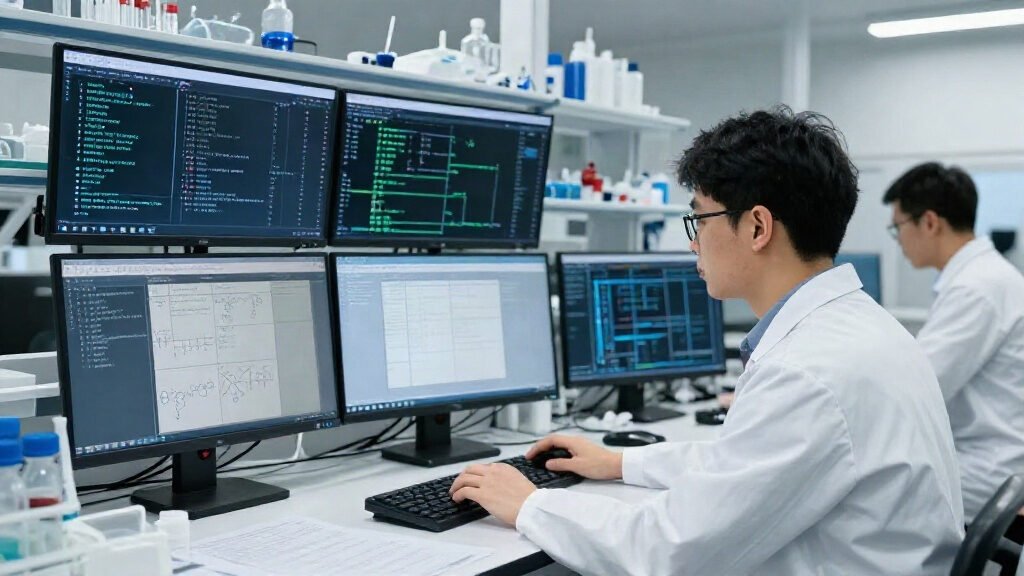
Chemistry World reports that generative AI is rapidly transforming analytical chemistry workflows across research laboratories and industrial facilities. This technological shift matters because it accelerates data interpretation, reduces manual testing errors, and enables faster regulatory compliance for pharmaceutical and environmental sectors tracking emerging automation standards.
Academic research centres and commercial laboratories across the United Kingdom are actively integrating generative AI systems to streamline complex analytical chemistry procedures today. This strategic adoption addresses mounting pressure to accelerate scientific discovery timelines.
The report from Chemistry World underlines why generative AI remains a live issue for UK organisations and public policy.
The publication details how automated algorithms now process spectroscopic data and chromatographic results with unprecedented speed and precision. These computational advances directly reduce manual laboratory workloads while improving measurement accuracy across multiple testing environments.
Industry stakeholders recognise that these technological shifts fundamentally alter traditional quality control protocols within pharmaceutical manufacturing sectors. Regulatory frameworks must therefore evolve to accommodate algorithmic decision-making without compromising established safety standards or patient welfare.
Policymakers now face immediate decisions regarding data governance, intellectual property rights, and workforce reskilling requirements across scientific sectors. These considerations will shape national innovation strategies and influence international collaboration agreements throughout the coming decade.
Algorithmic Data Processing in Modern Spectroscopy Laboratories
According to Chemistry World, this development highlights practical implications for organisations, policymakers and sector leaders tracking technology change in generative AI. These strategic considerations directly influence laboratory procurement decisions and funding allocations across academic institutions.
Automated machine learning models now interpret complex mass spectrometry outputs without requiring extensive manual calibration procedures. Researchers utilise these computational tools to identify trace contaminants and analyse molecular structures with remarkable consistency.
Traditional chromatography workflows previously demanded hours of manual peak integration and baseline correction by trained analysts. Modern algorithmic pipelines now execute these tasks instantly while maintaining strict adherence to validated analytical standards.
Pharmaceutical quality assurance teams report substantial reductions in testing turnaround times following the deployment of predictive software. These efficiency gains enable faster batch releases and accelerate clinical trial material distribution across global supply chains.
Environmental monitoring agencies increasingly rely on automated spectral analysis to detect emerging pollutants in water treatment facilities. Real-time data generation supports immediate regulatory interventions and strengthens public health protection frameworks across metropolitan regions.
Academic research groups utilise generative algorithms to simulate chemical reactions and predict optimal synthesis pathways efficiently. These computational predictions significantly reduce experimental trial-and-error cycles while conserving valuable laboratory resources and reagent supplies.
Laboratory information management systems now integrate seamlessly with cloud-based analytical platforms to centralise experimental data repositories. This architectural shift improves cross-institutional collaboration and ensures consistent data formatting across multiple research departments.
Validation protocols require rigorous documentation to confirm algorithmic outputs match traditional reference methods before clinical adoption. Independent verification procedures remain essential for maintaining scientific integrity and meeting stringent regulatory compliance requirements.
Regulatory Compliance and Quality Assurance Frameworks
Regulatory bodies mandate comprehensive validation studies before approving algorithmic tools for routine analytical chemistry applications. Manufacturers must demonstrate equivalent accuracy and precision compared to established reference methodologies across diverse sample matrices.
Good Laboratory Practice guidelines now incorporate specific provisions for software verification and algorithmic transparency requirements. Auditors examine system documentation, version control records, and change management procedures during routine compliance inspections.
Data integrity standards demand immutable audit trails that capture every computational step and parameter adjustment. Automated logging systems generate comprehensive records supporting traceability requirements and facilitating straightforward regulatory submissions.
Pharmaceutical manufacturers implement strict change control processes when updating analytical algorithms or modifying validation parameters. These structured procedures prevent unauthorised modifications and ensure consistent performance across different production batches.
Independent certification bodies assess software reliability through extensive benchmark testing against certified reference materials. These comparative evaluations establish performance baselines and identify potential limitations within specific analytical applications.
Quality management teams maintain detailed risk assessments addressing potential algorithmic failures and system malfunction scenarios. Contingency plans outline manual override procedures and alternative testing methods when computational systems experience disruptions.
International harmonisation efforts promote unified validation standards across European and North American regulatory jurisdictions. These coordinated frameworks reduce duplication of testing requirements and streamline multinational product approval processes.
Ongoing monitoring programmes track long-term algorithmic performance and detect gradual drift in analytical measurements. Continuous improvement cycles incorporate user feedback and emerging best practices into updated software versions.
Workforce Development and Laboratory Infrastructure Modernisation
Laboratory managers prioritise comprehensive training programmes to upskill analytical chemists in computational methodology applications. These educational initiatives bridge traditional chemistry expertise with modern data science competencies effectively across all operational levels.
University chemistry departments revise undergraduate curricula to incorporate machine learning principles and algorithmic thinking modules. These academic adjustments prepare future scientists for technology-driven research environments and modern analytical workflow requirements.
Professional certification schemes now evaluate computational literacy alongside traditional analytical technique proficiency standards. These updated assessment criteria ensure practitioners demonstrate comprehensive competency across both manual and automated systems.
Laboratory infrastructure investments increasingly prioritise high-performance computing hardware and secure network connectivity solutions. These technological upgrades support intensive data processing requirements and enable seamless integration with cloud platforms.
Cross-functional teams combine domain expertise with software engineering skills to develop custom analytical solutions. These collaborative approaches accelerate innovation cycles and address unique organisational testing requirements efficiently within regulated environments.
Industry partnerships facilitate knowledge transfer between technology developers and end-user laboratory professionals effectively. These collaborative arrangements ensure software tools align with practical operational needs and workflow constraints across multiple sectors.
Career progression pathways now recognise computational proficiency as a core competency for senior analysts. These evolving expectations encourage continuous professional development and sustained engagement with emerging technologies throughout their careers.
Laboratory accreditation bodies periodically review training records and competency assessments to verify ongoing staff development. These quality assurance measures maintain high professional standards and ensure consistent analytical performance outcomes.
Organisations implementing validated generative AI workflows report substantial reductions in routine analytical testing cycles while maintaining strict compliance with established quality standards across pharmaceutical and environmental sectors.
Aidem Digital analysis
The rapid adoption of generative AI fundamentally reshapes analytical chemistry operations across research and industrial environments. These technological transformations establish new operational benchmarks while demanding rigorous validation and oversight procedures.
Stakeholders must balance computational efficiency with established scientific rigour to ensure reliable analytical outcomes. Careful implementation strategies mitigate technological risks while maximising productivity gains across diverse laboratory settings.
Future developments will likely expand algorithmic capabilities to encompass more complex multi-omics data integration tasks. These advancements will further accelerate discovery timelines and enhance diagnostic precision across medical research fields.
Continuous monitoring and adaptive regulatory frameworks will remain essential for sustaining long-term technological progress. Proactive governance approaches ensure emerging tools deliver measurable benefits while upholding scientific integrity standards.
Questions and Answers
How does generative AI impact traditional chromatography workflows in UK laboratories?
Automated algorithms now process chromatographic data instantly, eliminating manual peak integration and reducing analyst workload significantly. These computational tools maintain strict adherence to validated standards while accelerating batch release timelines across pharmaceutical facilities.
What validation requirements apply to algorithmic analytical tools under current regulations?
Regulatory bodies mandate comprehensive verification studies demonstrating equivalent accuracy compared to established reference methods. Manufacturers must document algorithmic transparency, maintain immutable audit trails, and conduct independent benchmark testing before clinical adoption.
Which laboratory sectors are currently prioritising generative AI integration?
Pharmaceutical manufacturers, environmental monitoring agencies, and academic research centres actively deploy these systems to streamline spectroscopic analysis and detect trace contaminants efficiently. These sectors benefit from accelerated testing cycles and improved data consistency.
How are academic institutions adapting chemistry curricula for algorithmic literacy?
University departments now incorporate machine learning principles and computational thinking modules into undergraduate programmes. These educational adjustments prepare future scientists for technology-driven research environments and modern analytical workflow requirements effectively.
What risks must organisations manage when deploying analytical AI systems?
Institutions must address potential algorithmic drift, ensure robust data governance frameworks, and maintain manual override procedures for system failures. Continuous performance monitoring and rigorous change control processes mitigate these operational risks effectively.